
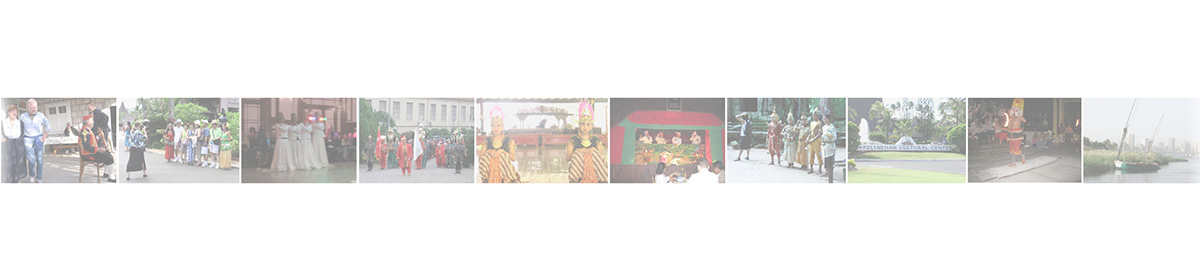
As wonderful as it would be for a hardcore cultural tourist to serendipitously encounter during their travels distinctively local performing arts being performed in a non-commercial social setting, it is unlikely to happen. Tourists, generally, are on tight schedules, and their encounters with local expressive culture must be planned, prepared, advertised, and booked well in advance. Eight of the eleven performances documented in these films were encountered by the author while participating on the Semester at Sea off-campus study program. Well before embarking on this 100-day voyage around the world, all participants received a booklet that listed and described anywhere from five to thirty-five pre-arranged tours that could be bought into for each of the ten ports on the program’s itinerary, about a quarter of which included a cultural presentation of some sort. While it was easy to lose myself in the excitement created by and convenience of this smorgasbord of cultural encounter options, it also revealed to me the immense infrastructure of the global tourism economy. Networks of tourism specialists around the world, linked by computers, fax machines, internet connections, and telephones, must have communicated, exchanged information, negotiated prices, set into motion local arrangements for hotel and restaurant reservations, guides, ground (and sometimes air) transportation, and so forth, in order to produce this booklet that would play such a central role in shaping the cultural experiences of the voyage’s 700 participants. It is mind boggling, but revealing of the amazing interconnectedness of our contemporary world.
In general, and quite understandably, most of the encounters documented in these films were scheduled to conveniently accommodate the mealtimes of tourists. The Cambodia, Burma, Egypt, and Croatia (second half) encounters all took place during either lunch or dinner time, and the Hawaii and Indonesia Dance shows followed dinner at restaurants operated by the same organizers as the shows. Although dinner was not a part of the Turkey Dervishes and Sri Lanka event packages, the performances took place in the evening either just before or after the dinner hour.
The Indonesia Palace and Turkey Ottoman encounters were not pinned to the eating schedule of tourists but to the limited hours that each sponsoring institution was open to the public. The Sultan’s Palace of Yogyakarta is open to the general public only during morning hours. The Turkish Military Museum is open five days a week and on two of those afternoons the mehter parades.
Finally, the Croatia (first half) event was part of a series of programs presenting local (Dubrovnik area) talent organized by the Dubrovnik tourism council. These free performances tend to take place in the early afternoon hours.
These documented cultural presentations were all directed toward tourists and took place when they did to accommodate their schedules and needs. All of the events were advertised locally, and many of them nationally and internationally through posters, brochures, travel guides, and the Internet.