
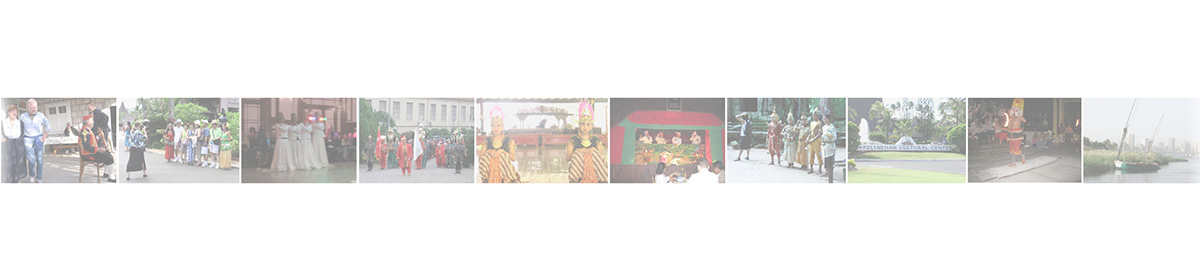
All of the documented presentations save two–Turkey Ottoman and Croatia (first part)–involved some form of admission fee, therefore suggesting they were commercial in intent at least in part. I say “in part” because I sense that other motivations may well be at work in tandem with the seeking of profit. Since I did not interview the producers of or performers in these presentations, I can only intuit other motivations at play in each. The following ideas should therefore be received with this qualification in mind.
The Egypt, Hawaii, and Indonesia Dance presentations seem to me to be significantly shaped by their producers to create good entertainment. The latter two involved some conscious effort to include an educational component, but the overriding mindset behind them was still, I sensed, to present a highly polished and professional show.
It seemed to me that there was a distinct educational mission underlying the Turkey Ottoman, Turkey Dervishes, and Indonesia Palace presentations. The performers and producers of these events were all members of the military, religious, or social institutions the arts of which were being displayed for outsiders. Through informed guides, printed programs, and/or associated museum displays, cultural background information was provided for the viewers. The Polynesian Cultural Center (Hawaii) states that their primary objective is educational, but for me every aspect of the cultural encounter there was so intensively produced and controlled that I could respond to it only as post-tourist fantasy.
The projection of pride in the national, regional, ethnic, religious, and/or institutional identity of the performers seemed present in almost all of the performances. Despite the reality that these events were happening, for the most part, to generate money for their producers and performers, a sense of “this is who we are, and we are proud of it” nonetheless was communicated to me by many of the performers. However, the vast majority of the performers seen in these films were performing a representation of an earlier idealized local way of life rather than displaying or sharing their actual contemporary lives with their audiences.
I would say that the many people involved in putting on these presentations–including tourism promoters, artistic producers, and performers–brought a variety of agendas to the productions. Money was seldom the only type of capital that was exchanged in these specially constructed encounters between performers and tourists.